Article: How to help your horse endure the heat in summer: the right gestures for its well-being

How to help your horse endure the heat in summer: the right gestures for its well-being
When temperatures rise, your horse's comfort and health become a priority. In the United Arab Emirates, where temperatures regularly exceed 40°C, heat can quickly become a real challenge, both for horses and their riders. Fortunately, a few good habits help preserve the well-being of your companion throughout the summer.
1. Adapt working hours
Prefer sessions very early in the morning or in the evening after sunset.
Avoid the hottest hours of the day.
Reduce the intensity of work on hot days.
2. Ensure optimal hydration
Always leave clean and fresh water available.
Check the drinkers regularly.
A horse can drink between 40 and 70 liters of water per day, or even more in case of high heat.
3. Think about electrolytes
After hard work, electrolytes can help compensate for sweat-related losses.
Ask your veterinarian for advice before any supplementation.
4. Provide shade and good ventilation
Provide a shaded shelter and a well-ventilated box.
Fans are a real plus during the summer in the Emirates.
5. Refresh the horse after the effort
Shower abundantly large muscle masses.
Remove the water with a heat knife and repeat several times to effectively evacuate body heat.
6. Promote rehydration after labor
Offer a rehydration mash to bring water, fiber and promote recovery.
Add a few pieces of apples, carrots or a few fresh mint leaves to a bucket of water to encourage some horses to drink more.
Prepare frozen treats by freezing pieces of apples, carrots or watermelon (seedless) covered with water in a silicone mold.
You can also freeze small portions of applesauce without added sugars in silicone molds.
Distribute these treats in moderation: they complete the diet but never replace good hydration.
7. Choose suitable equipment
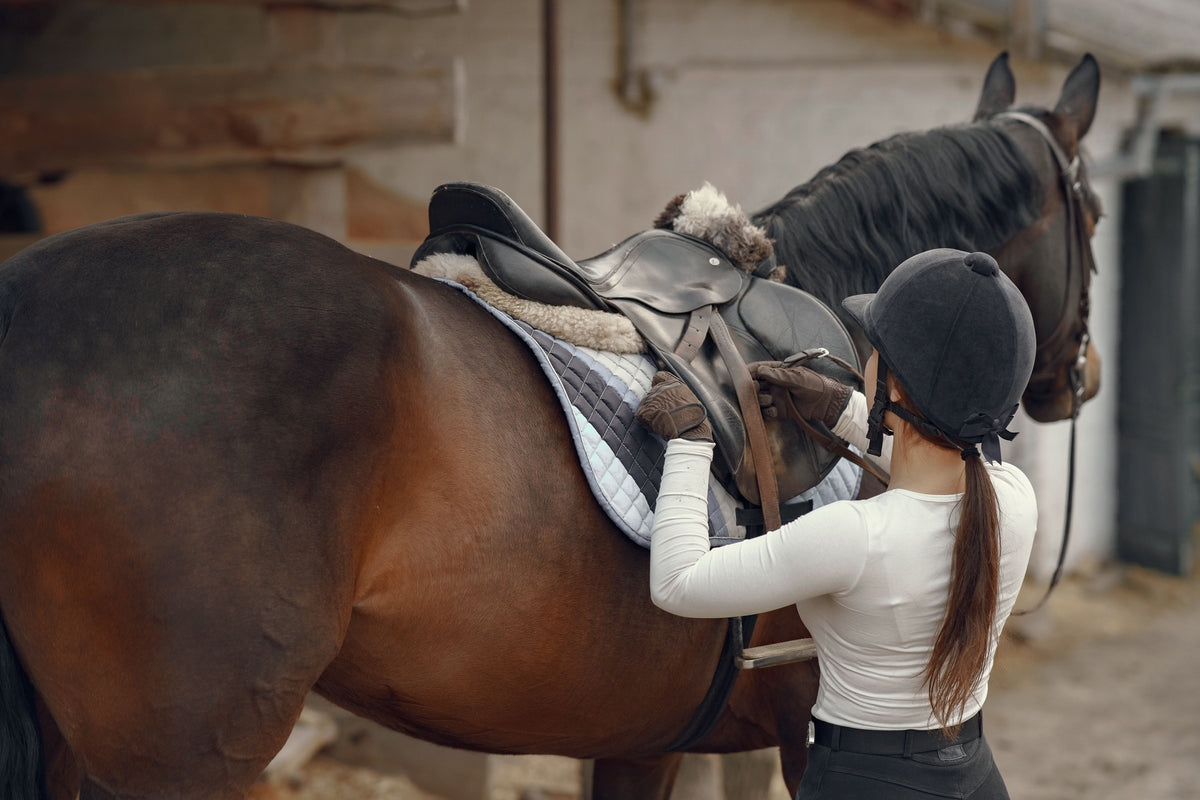
Use breathable saddle pads, technical textiles and lightweight protections.
8. Beware of signs of heat stroke
Rapid breathing, severe fatigue, high heart rate, loss of balance or lack of sweating should alert you.
If in doubt, immediately cool your horse and contact your veterinarian.
9. Adapt the power supply
Split the meals if necessary and favor their distribution at the coolest hours.
In summary
Work at the coolest hours.
Ensure permanent hydration.
Propose a rehydration mash after exercise.
Prepare iced treats to refresh your horse.
Provide shade and good ventilation.
Use breathable equipment.
Stay alert for signs of heat stroke.
With a few simple gestures, your horse will go through the summer more comfortably, even in the hot climate of the United Arab Emirates.